Monday, July 15, 2013
Eagles
While on the water in an amphibious duck vehicle at Ketchikan, we were able to view many different eagles. The eagle without the white on its head is less than five years old. The individual eagle has a drop of water on his beak. They could have not been bothered by us. We were in a harbor at the time and they were just looking for their next meal.
Float Planes
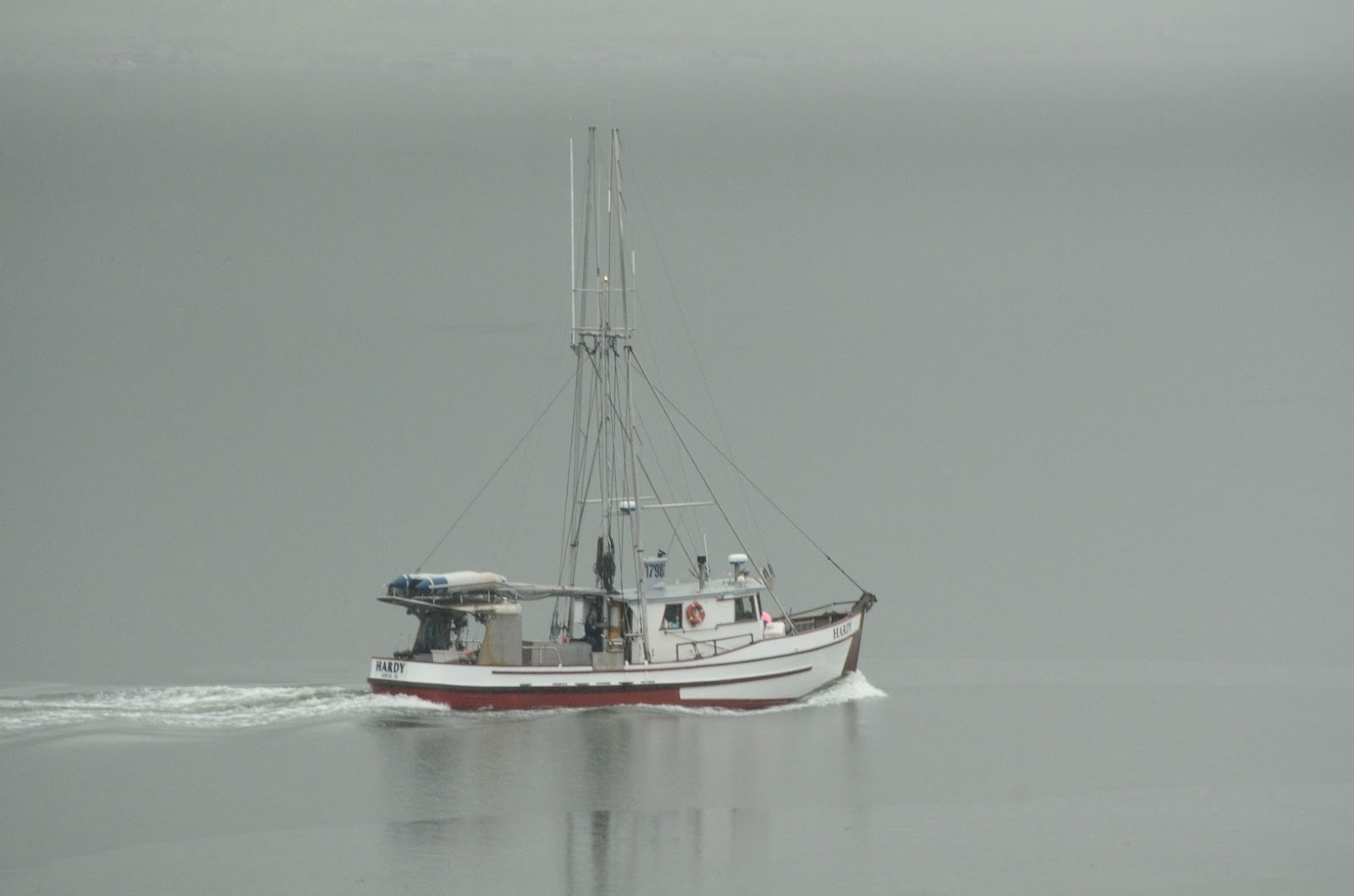
One of the thing that we enjoyed the most about being on the ship and having a balcony room was that you could see life unfold in front of your eyes. The wildlife and people that we saw just went about their business and were not the least bit bothered by the ship. We saw countless fishing boats and float planes all along the trip. It seems that Ketchikan was float plane central.
White Pass
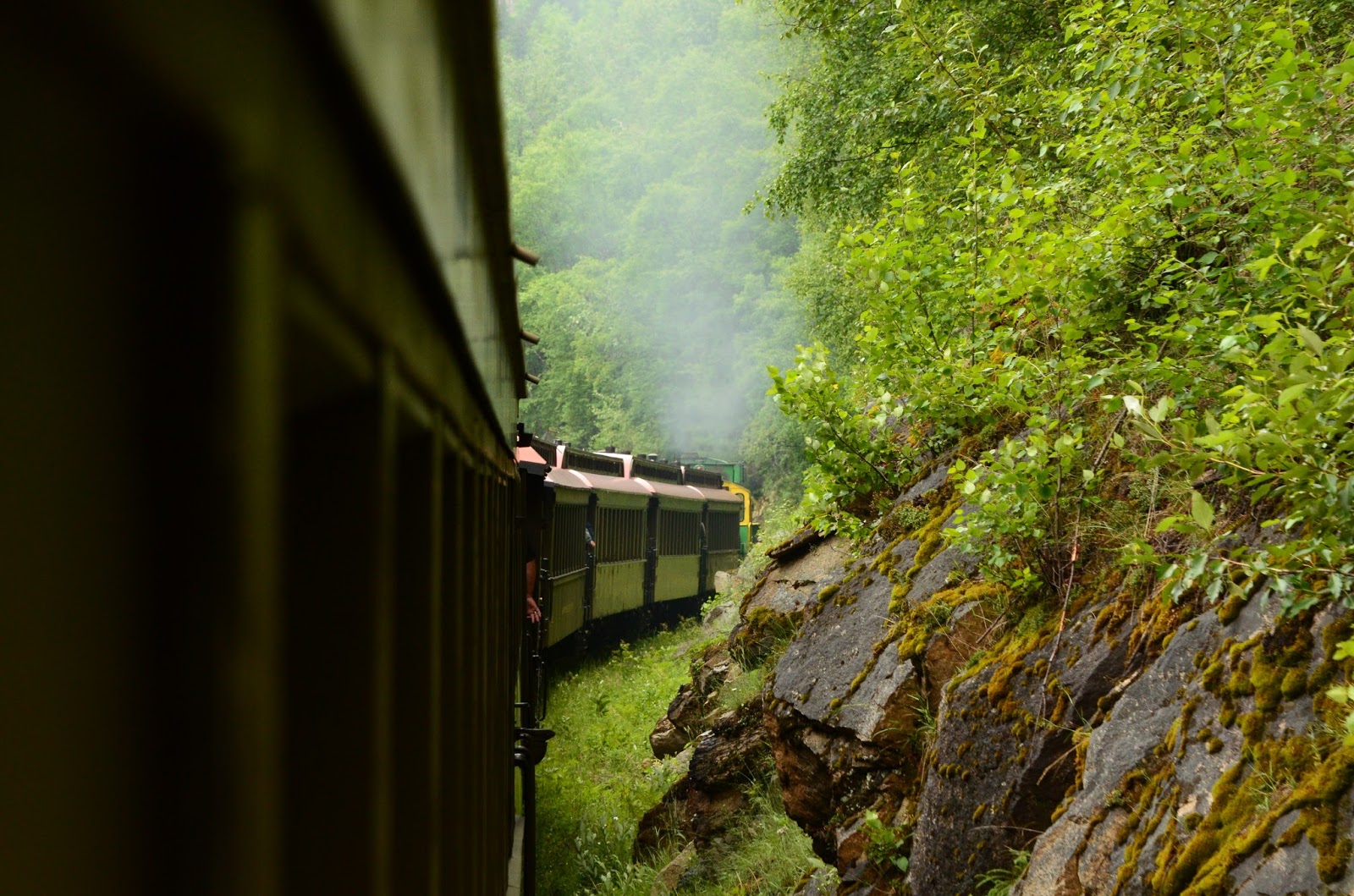
While in Skagway, Peter and I took a train ride up to White Pass. White Pass is the pass that all of the men who were on their way to find gold during the gold rush used. It was very treacherous especially since many traveled through the winter months. Many of them did not survive. For most of the trip, Peter stood at the end of the rail car soaking up the scenery, taking pictures and letting the cool breeze blow in his face. It was a little too cold for me to stay outside but I still had those same great views. The picture that has the little sign Trial of 1898 is a picture of part of the actual trail that the men took while on their quest for gold. It is very, very narrow and they had to walk one behind the other carrying everything they owned. The picture with the five flags is located at the border with Canada and is very near the peak of the pass. There are two pictures of train trestles, one wooden structure that was used until the 1960's and the one that is used today. The huge black and red engine with the auger on the front of it was used to clear the track of snow and ice. This train does not run in the winter because of snow, ice, and rock slides. The conductor and other personnel that work this train are almost all retirees from other railroad jobs. As you can tell by the pictures, Peter is like a little boy when it comes to trains. His eyes light up as if he has just received the best gift under the tree when he is on or near trains. This was one of the two excursions that we booked while on the ship and it was well worth it.


Skagway, Alaska
After cruising all night, the ship docked at Skagway, Alaska at 7:00 a.m. and left a little before 1:00 p.m. so again we knew that we had just a few hours to soak in all of Skagway. While there we took a train ride up to White Pass, ate lunch at a building that was once the oldest brothel in town, mailed a few post cards and of course, walked through a few shops. Skagway is most famous for being the starting place for men who were seeking their fortune in the gold rush of the late 1890s. Like most of the places we docked, tourism is the main industry. Skagway was no different as you can tell by the number of ships at the dock. There are not enough locals to provide all of the man power needed for all of the tourism so college students are brought in to help. The waiter at the restaurant was from California and the man who helped us at one of the shops was retired from working in Las Vegas. He told us that he just pulls a fifth wheel up and works for the summer. Along the board walk there were women dressed as ladies of the evening sitting on second story window ledges promoting their dance hall show by yelling out to prospective customers. We especially enjoyed the train ride to White Pass as you will be able to tell from the next post. While walking back to the shop we saw this little harbor seal all by himself very close to the shore.
Sunday, July 14, 2013
Juneau
Peter and I have a goal of visiting all 50 state capitals. I really never thought that we would make it to Juneau but I am happy to say that Juneau is the 25th state capital that we have visited. It was cool and rainy when we disembarked. Knowing we had only four hours in Juneau, it was important for us to see the state capital of the 49th state of the United States, find wifi so we could check mail, and have a little time to shop so we decided to hire a cab to take us up to the capital building. We tired to hire two different cabs and they told us that the state capital was closed for renovations and that we could not get to it due to road closures. Being stubborn as we are, we ignored them and hiked up a hill a little less than a mile in the spitting rain to the capital building. The front entrance was completely covered in scaffolding but we followed the signs that led us to a side entrance. Many of the capital buildings that we have visited have security screening and have armed policeman throughout. In Juneau, we walked right in, found the visitors desk and went on a wonderfully engaging tour of the building with just one other couple. Our tour guide was very knowledgable and answered all of our questions with no problem. She was a college graduate who's father was the states chief bridge engineer. The construction that we saw on the front of the capital building was very extensive and it was for earthquake reinforcement. Juneau is a relatively small place with only 32,000 residents. The price that The United States paid for Alaska was a little over $7,000,000 which equates to about 2 cents an acre. What a bargain and to think that Alaska only became a state in 1959 when Peter and I were rambunctious youngsters. When the tour guide found out that we were from Texas, she waisted no time telling us that if you split Alaska into two sections, they would both be larger than Texas.
Stuart Glacier
When navigating through the inside passage, each cruise ship picks up a maritime pilot to make sure that the ships safely navigates the narrow water ways. We had one pilot while cruising in Canadian waters and a different pilot while cruising American waters. The pilot we had and the conditions of the water on this day made it possible for us to get within two miles of Stuart Glacier. We saw much bigger ice bergs and many more seals than we had seen at Hubbard Glacier. In one of the pictures below you will have to look closely but there are 10 seals of various sizes lounging on the ice. The ice bergs were of various shapes, sizes and colors. The blue color in the ice was a surprise to me. I was mesmerized by both the colors and textures of the ice and could have spent the day there instead of an hour or so. As you can tell, we got fairly close to many of the bergs. The phrase "tip of the ice berg" has a new meaning to me now!
Subscribe to:
Posts (Atom)